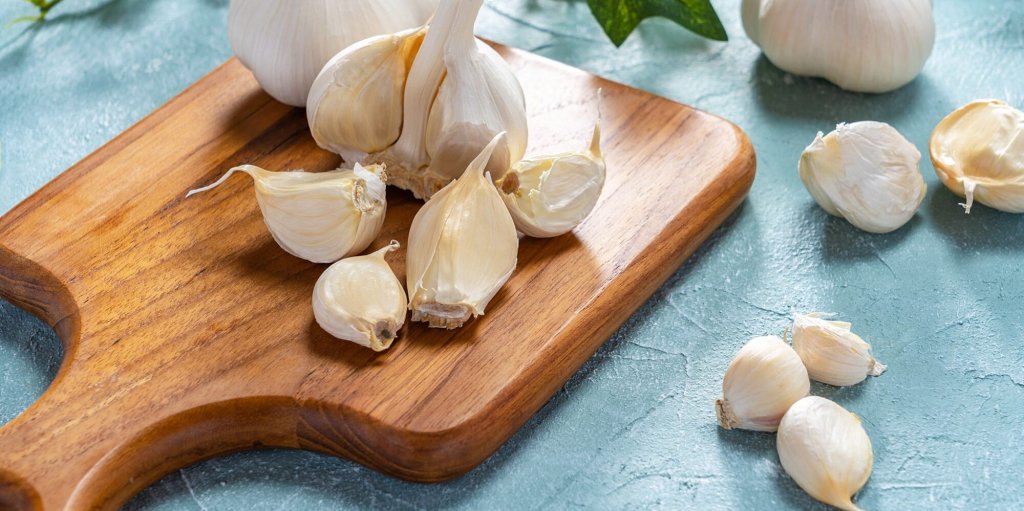
Remember when you would be eating dinner and your parents would force you to eat your beans because “they’re good for you”? I do. Especially because as a kid, I hated to eat my vegetables. Now, as I’ve grown older, I’ve learned to appreciate vegetables and other things I used to hate like, garlic. I love garlic now. Ironically, garlic is infamous for being a “heart healthy” food. But what does this mean? And is it really?
Many cultures have used garlic medicinally, and there are even ancient texts citing it as a treatment for heart diseases. But aside from ancient texts, there have been over 46 studies that cite garlic’s ability to lower lipid levels (fat, oil, waxes etc.) in our body [1]. Lipids are important for our body as they provide energy and help build cells however, when we have to much of them in our bodies they can accumulate and make it difficult for the blood to flow through our bodies. If our blood is cannot flow smoothly, this can lead to a stroke. Things like smoking and unbalanced diets can all contribute to high lipid levels, so it is important to maintain healthy levels.
Aside from lowering lipid levels, garlic has also been found to reduce hypertension, also known as high blood pressure. When our blood pressure is high, our bodies must work harder to allow for regular blood flow, this in turn slows down the blood flow and oxygen that reaches the heart [2]. When there isn’t enough blood and oxygen reaching the heart, it can lead to heart disease. Now our friendly ingredient garlic, has been shown to reduce blood pressure in both humans and animals, allowing our bodies to not have to work so hard to get blood around.
And you thought that’s good? Garlic studies in rats have also found this superfood to promote antioxidants in the heart [3]. Our bodies contain this molecular species called free radicals. These free radicals are very unstable and highly reactive, meaning they can react with healthy cells and other molecules in our body and damage them, including those in our heart [4]. Now, antioxidants are essentially distracting molecules and free radicals. Instead of reacting with our healthy cells, free radicals react with antioxidants, preventing damage. By consuming garlic, we can provide antioxidants to our heart and prevent damaging reactions.
Now, next time you’re doing your grocery shopping, pick up garlic to add flavour to your dinner and protection to your heart.
Author: Thuvaraha Jeyakumaran
[1] Banerjee, S. K., & Maulik, S. K. (2002, November 19). Effect of garlic on cardiovascular disorders: A Review. Nutrition journal. Retrieved October 10, 2021, from https://www.ncbi.nlm.nih.gov/pmc/articles/PMC139960/.
[2] Centers for Disease Control and Prevention. (2021, May 18). High blood pressure symptoms and causes. Centers for Disease Control and Prevention. Retrieved October 10, 2021, from https://www.cdc.gov/bloodpressure/about.htm.
[3] Banerjee, S. K., & Maulik, S. K. (2002, November 19). Effect of garlic on cardiovascular disorders: A Review. Nutrition journal. Retrieved October 10, 2021, from https://www.ncbi.nlm.nih.gov/pmc/articles/PMC139960/.
[4] Lobo, V., Patil, A., Phatak, A., & Chandra, N. (2010, July). Free radicals, antioxidants and Functional Foods: Impact on human health. Pharmacognosy reviews. Retrieved October 10, 2021, from https://www.ncbi.nlm.nih.gov/pmc/articles/PMC3249911/.
 JP Stroke Foundation
Leave a comment