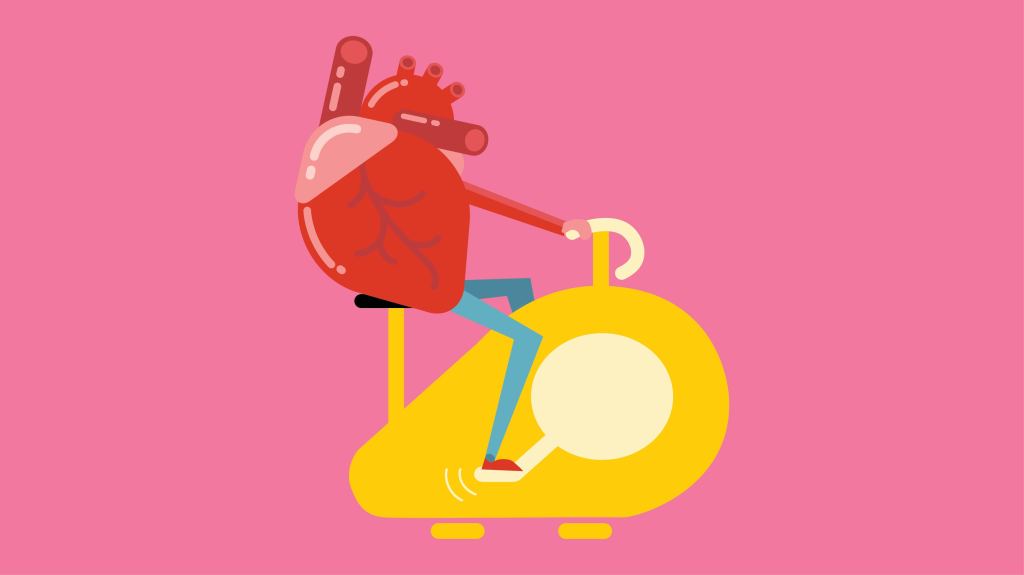
Cardiovascular disease is the most common cause of death around the world [1]. It is extremely important to consider interventions to help people with heart disease restore their physical and mental well-being. An especially effective way to do this would be to go to cardiac rehabilitation. Now, you might be asking, what is cardiac rehabilitation? Cardiac rehabilitation is typically referred to as a program that includes exercise, education, as well as social support for patients with cardiovascular disease or related risk factors [3]. Specific elements of this intervention can include nutrition counselling, exercises, behavioural counseling, immunization, as well as techniques to control other medical conditions [4]. Cardiac rehabilitation can even slow or reverse progression of cardiovascular disease and related risk factors [1]. Statistically, cardiac rehabilitation is considered extremely important in countries with a high frequency of cardiovascular disease [1].
Cardiac rehabilitation is available for several different cardiovascular disorders and is especially recommended for patients that undergo major cardiac surgeries [4]. However, there are some patients that may not be eligible for cardiac rehabilitation depending on the severity, associated factors, and physician referrals [4].
We need to consider how effective cardiovascular rehab is in order to evaluate the extent to which it is beneficial and why patients should consider it. A study conducted in the UK found that those who attended cardiovascular rehab had 20-25% less cardiovascular mortality and general mortality [5]. They also found that patients who followed through with their rehab were not readmitted to hospitals as much as those who did not go through rehab [5]. Additionally, they reported that after 100 days of rehab, 33% of patients regained positive quality of life [5]. This shows that rehab does improve one’s quality of life. The study showcases the benefits of rehab and may encourage patients to pursue this intervention.
As effective as cardiac rehabilitation may be, there are barriers that come along with it. This includes factors that may stop certain individuals from pursuing rehab. You may be wondering, what kind of factors come into play? These factors include age, financial status, sex, race, as well as the patient’s personal beliefs [2]. Researchers have found inequalities in cardiac rehab referral, where women, elders, and minority groups are disadvantaged [2]. Along with this, the lack of social and emotional support tends to prevent patients from seeking cardiac rehab [2]. Creating an environment that is safe for patients to seek rehab will largely dismantle some of the stigma surrounding cardiac rehabilitation and cardiac disorders.
Overall, cardiac rehabilitation is a very important intervention that aims to provide patients with better quality of life. Besides cardiac health, cardiac rehab is also beneficial for mental health as it can also improve depressive symptoms [4]. Considering the facts, cardiovascular rehab is greatly beneficial and should be recommended for different demographics as it may improve the collective health of society.
Author: Priya Amin
References
1. Anderson, L., Sharp, G. A., Norton, R. J., Dalal, H., Dean, S. G., Jolly, K., Cowie, A., Zawada, A.,
& Taylor, R. S. (2017). Home-based versus centre-based cardiac rehabilitation. The Cochrane database of systematic reviews, 6(6), CD007130. https://doi.org/10.1002/14651858.CD007130.pub4
2. Mampuya W. M. (2012). Cardiac rehabilitation past, present and future: an
overview. Cardiovascular diagnosis and therapy, 2(1), 38–49. https://doi.org/10.3978/j.issn.2223-3652.2012.01.02
3. McMahon, S. R., Ades, P. A., & Thompson, P. D. (2017). The role of cardiac rehabilitation in
patients with heart disease. Trends in cardiovascular medicine, 27(6), 420–425. https://doi.org/10.1016/j.tcm.2017.02.005
4. Servey, J. T., & Stephens, M. (2016). Cardiac Rehabilitation: Improving Function and Reducing
Risk. American family physician, 94(1), 37–43.
5. Thompson, D. R., & Bowman, G. S. (2004). Evidence for the effectiveness of
cardiac rehabilitation. Intensive and Critical Care Nursing, 14(1), 38-48. https://www.sciencedirect.com/science/article/pii/S0964339798800992.
 JP Stroke Foundation
Leave a comment