
The leading cause of death in North America is heart disease, and one of the risk factors for this is high cholesterol. [1] As a treatment for high cholesterol in heart disease, Statin drugs were created. Over 200 million people worldwide use this medication for heart attack and stroke prevention. [2] The discovery of Statins began in 1976 by biochemist Akira Endo and the first commercial Statin was later approved by the FDA in 1987. [3] A study with over 20 000 participants, found that even those without high cholesterol but are at risk of heart attack, can benefit from Statin usage. In the same study, results show that. in the group taking Statins, the amount of people having a first heart attack or dying from stroke was 25% lower than those who did not take them. [4] The main process by which Statins prevent heart disease is by lowering your cholesterol. There are both good kinds (high-density lipoprotein (HDL)), and bad kinds (low-density lipoprotein (LDL)), like how there are foods that are good for you and foods that are not. [5] LDL cholesterol can build up in our arteries that work to deliver blood around the body and restrict blood flow. If you think back to a time, you were drinking a smoothie and you were no longer able to pull up any liquid out of your straw, because a berry became stuck in it, the arteries can become clogged with cholesterol in a similar manner. Cholesterol is produced by the liver, and this is one of the main target sites of Statins. They work by limiting cholesterol production by the liver and remove existing cholesterol in the blood. [6] According to existing research, Statins are found to have low long-term risks. Risks associated with Statin use include muscle aches and slight increase in blood glucose with potential development of type 2 diabetes.[7] However, it should be known that it is unclear whether or not type 2 diabetes development is a product of Statin usage or prior risk factors. Statins have been around for a long time and there is a lot of controversy around them so its important to do your own research and contact your general practitioner regarding your personal risks and if this is suitable for you.
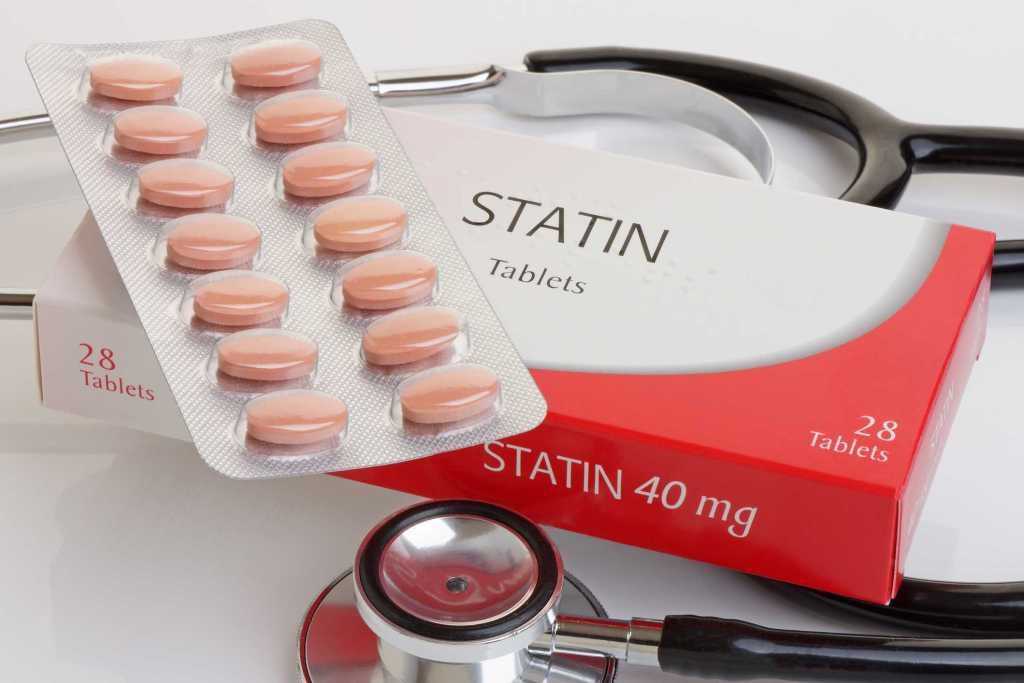
Author: Thuvaraha Jeyakumaran
[1] Centers for Disease Control and Prevention. (2021, September 27). High cholesterol facts. Centers for Disease Control and Prevention. Retrieved December 30, 2021, from https://www.cdc.gov/cholesterol/facts.htm
[2] How statin drugs protect the heart. Johns Hopkins Medicine. (n.d.). Retrieved December 30, 2021, from https://www.hopkinsmedicine.org/health/wellness-and-prevention/how-statin-drugs-protect-the-heart#:~:text=More%20than%20200%20million%20people,drugs%20for%20their%20heart%20health.
[3] Endo, A. (2010). A historical perspective on the discovery of Statins. Proceedings of the Japan Academy. Series B, Physical and biological sciences. Retrieved December 30, 2021, from https://www.ncbi.nlm.nih.gov/pmc/articles/PMC3108295/
[4] Watch: How do statins prevent heart attacks and strokes? (n.d.). Retrieved December 30, 2021, from https://www.bhf.org.uk/informationsupport/heart-matters-magazine/medical/statins-fact-or-fiction
[5] How statin drugs protect the heart. Johns Hopkins Medicine. (n.d.). Retrieved December 30, 2021, from https://www.hopkinsmedicine.org/health/wellness-and-prevention/how-statin-drugs-protect-the-heart#:~:text=More%20than%20200%20million%20people,drugs%20for%20their%20heart%20health.
[6] Commissioner, O. of the. (n.d.). Controlling cholesterol with statins. U.S. Food and Drug Administration. Retrieved December 30, 2021, from https://www.fda.gov/consumers/consumer-updates/controlling-cholesterol-statins
[7] How statin drugs protect the heart. Johns Hopkins Medicine. (n.d.). Retrieved December 30, 2021, from https://www.hopkinsmedicine.org/health/wellness-and-prevention/how-statin-drugs-protect-the-heart#:~:text=More%20than%20200%20million%20people,drugs%20for%20their%20heart%20health.
 JP Stroke Foundation
Leave a comment