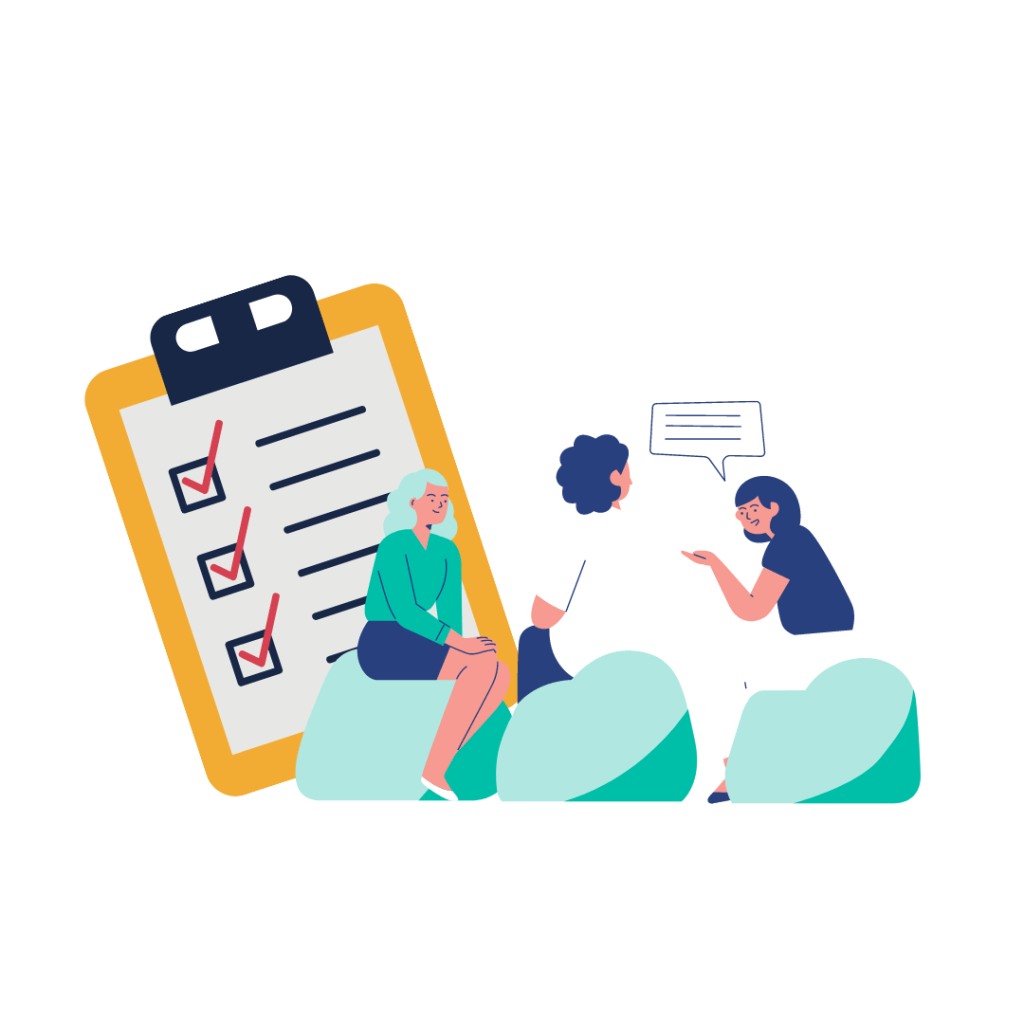
After having a stroke, many of us may worry about the side effects we deal with when in recovery. But what we most definitely might fail to realize is the post-stroke mood and emotional disturbance we experience.
These experiences are widespread and can manifest themselves in many different ways. You may experience post-stroke depression, anxiety, emotional incontinence, anger and fatigue. The symptoms can be very distressing for both the patient and caregiver. They can significantly influence the patient’s quality of life often in a negative way. Unfortunately, these emotional disturbances are not very apparent and, most of the time, can be overlooked.
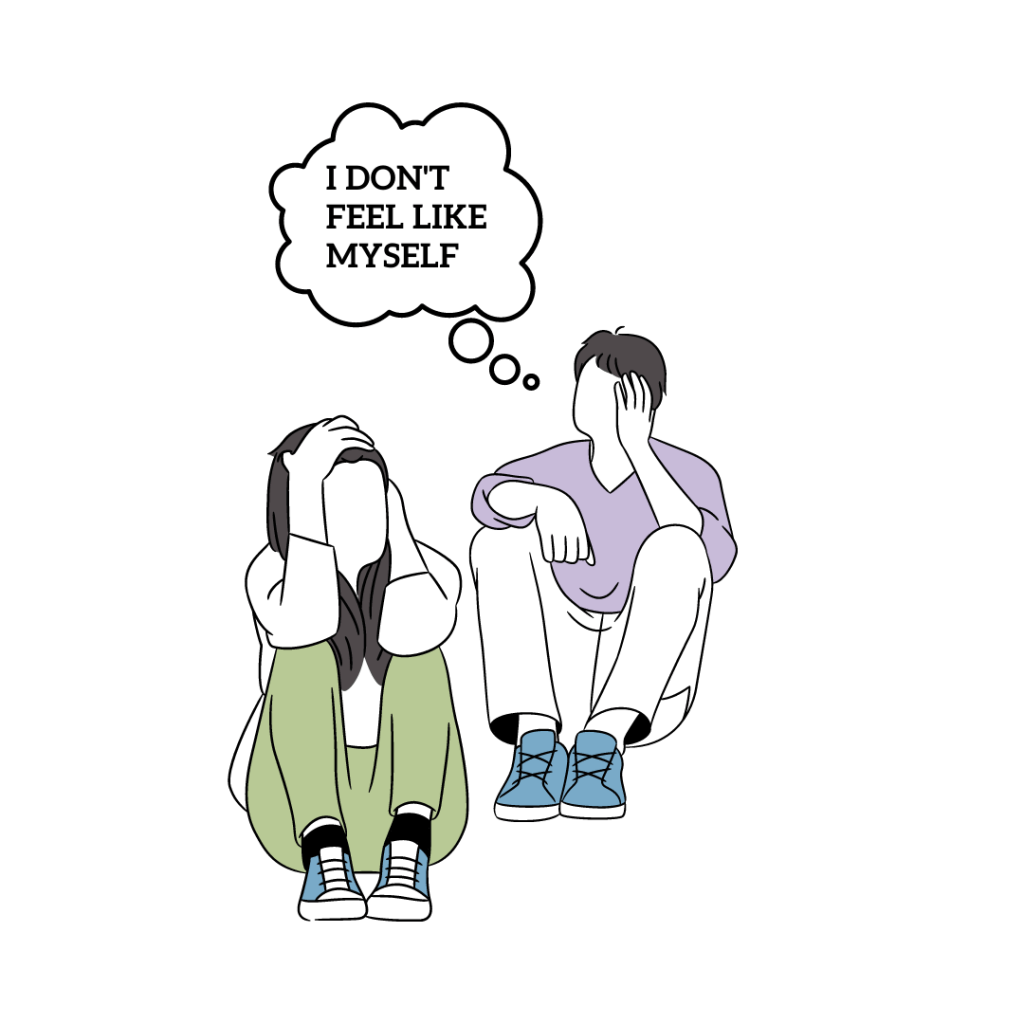
Studies have shown that these emotional disturbances have a very negative impact on patient and clinical outcomes. For example, Patient-Specific Direction, also known as PSD, constitutes the negative effects that manifest way after having a stroke. Patients that experience PSD typically end up unemployed, constantly changing jobs or failing to return to their previous jobs. Fortunately, various methods can treat or prevent these moods and emotional disturbances, including therapy and different medications.
Post-stoke depression or depressive symptoms include depressed mood, loss of energy, and decreased concentration. However, many of these symptoms can be a common side effect attributed to the stroke itself, medications or comorbid disease. In one study, depression was present in 50% of stroke patients and only 12% at the one-year follow-up. Generally, the prevalence of significant depression decreased over time.
Moreover, we can see that although statistically, it is prevalent for one to experience these post-stroke moods disturbances, they can be treated if caught early on. Here I have listed some of the top methods that can be used if you or someone you know are experiencing post-stroke depression.
- Do daily check-ins with yourself; how are you feeling? If you have lower moods, try to be proactive to change your mindset. Participate in hobbies that make you happy, talk to family and friends.
- Educate yourself about stroke and the symptoms that can be detected early on. Remember the symptoms can be easily summarized by the acronym FAST: F for face drooping, A for arm weakness or numbness, S for speech problems, such as slurred speech or difficulty finding words, and T for time, to remind you to call 911 if you see stroke symptoms in others or experience them yourself.
- Learn the difference between anxiety and depression. They are the most common mood disorders and can be difficult if you cannot differentiate them. (Check out some of our other posts on mental health and heart disease: https://jpstrokefoundation.org/2021/08/31/mood-disorders-and-heart-health-in-one-trip-to-the-store/, https://jpstrokefoundation.org/2021/09/13/anxiety-disorders-and-cardiac-health/)
- Movement is key! Hormone regulation can be tricky to deal with after a stroke. Studies have shown that exercise can help counter that!
- Guard your immune system! You must wash your hands regularly as your immune system may be suppressed at this time.
- Stay socially engaged! It can sometimes be challenging to find a social group, but that should not stop you. Finding a group of individuals with the same hobbies can be an excellent place to start; consider joining a book club or support group.
- Stay in touch with your doctor. You must report mood changes if they arise to a health care professional.
- Seek out other stroke survivors that are potentially going through the same thing. Talking to people going through a similar experience and finding allies can be very helpful.
- Get treatment. Consider counselling, medication or a combination. The earlier the treatment begins, the more positive the effects can be.
It is important to remember that recovering from a stroke has both physical and emotional aspects. Therefore, it is essential to work on both during your recovery.
Author: Camiliya Rouzmeher
1. Kim JS, Choi-Kwon S. Poststroke depression and emotional incontinence: Correlation with lesion location. Neurology. 2000;54:1805–1810. [PubMed] [Google Scholar]
2. Kim JS, Choi-Kwon S, Kwon SU, Lee HJ, Park KA, Seo YS. Factors affecting the quality of life after ischemic stroke: young versus old patients. J Clin Neurol. 2005;1:59–68. [PMC free article] [PubMed] [Google Scholar]
3. Choi-Kwon S, Kim HS, Kwon SU, Kim JS. Factors affecting the burden on caregivers of stroke survivors in South Korea. Arch Phys Med Rehabil. 2005;86:1043–1048. [PubMed] [Google Scholar]
4. Kotila M, Numminen H, Waltimo O, Kaste M. Post-stroke depression and functional recovery in a population-based stroke register. The Finnstroke study. Eur J Neurol. 1999;6:309–312. [PubMed] [Google Scholar]
5. van de Weg FB, Kuik DJ, Lankhorst GJ. Post-stroke depression and functional outcome: a cohort study investigating the influence of depression on functional recovery from stroke. Clin Rehabil. 1999;13:268–272. [PubMed] [Google Scholar]
6. Paolucci S, Antonucci G, Pratesi L, Traballesi M, Grasso MG, Lubich S. Poststroke depression and its role in rehabilitation of inpatients. Arch Phys Med Rehabil. 1999;80:985–990. [PubMed] [Google Scholar]
7. Loong CK, Kenneth NK, Paulin ST. Post-stroke depression: Outcome following rehabilitation. Aust N Z J Psychiatry. 1995;29:609–614. [PubMed] [Google Scholar]
8. Gillen R, Tennen H, McKee TE, Gernert-Dott P, Affleck G. Depressive symptoms and history of depression predict rehabilitation efficiency in stroke patients. Arch Phys Med Rehabil. 2001;82:1645–1649. [PubMed] [Google Scholar]
9. Liman TG, Heuschmann PU, Endres M, Floel A, Schwab S, Kolominsky-Rabas PL. Impact of low mini-mental status on health outcome up to 5 years after stroke: the erlangen stroke project. J Neurol. 2012;259:1125–1130. [PubMed] [Google Scholar]
10. Burvill PW, Johnson GA, Jamrozik KD, Anderson CS, Stewart-Wynne EG, Chakera TM. Anxiety disorders after stroke: results from the Perth community stroke study. Br J Psychiatry. 1995;166:328–332. [PubMed] [Google Scholar]
 JP Stroke Foundation
Leave a comment