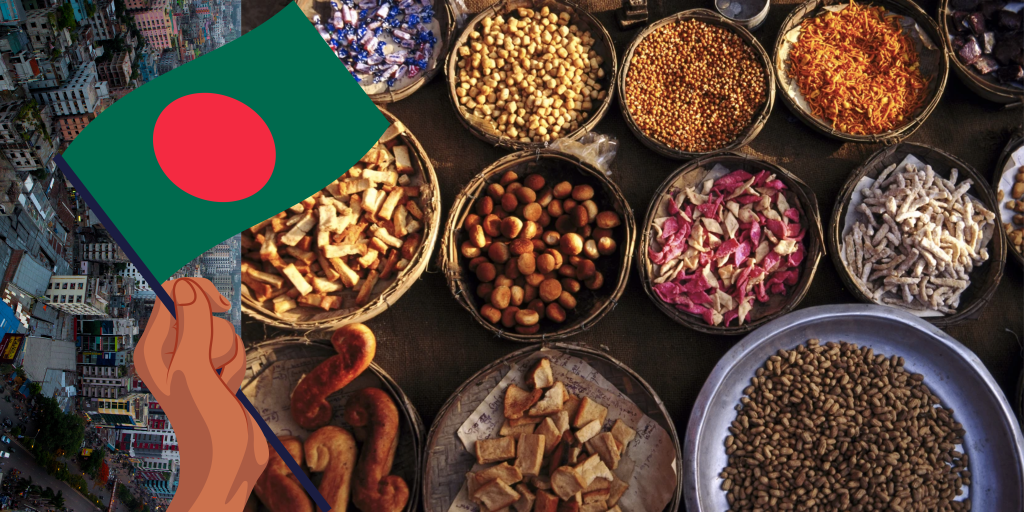
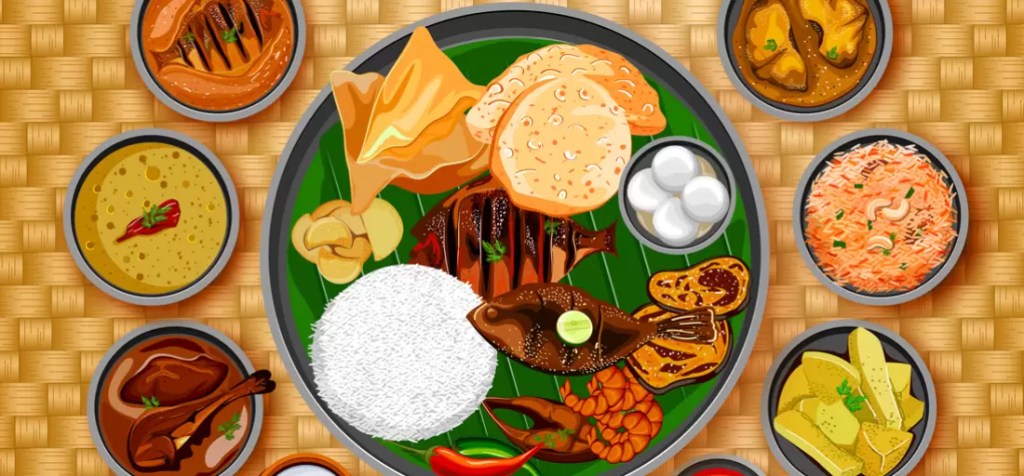
Ilish maach (fish), rice, daal (lentils), bhorta (mashed vegetables), and fuchka. For a Bengali, hearing these words will most probably make them salivate – it’s as if their love for food is embedded in their blood, as it should. Bangladesh, a country rich with culture, flavours, traditions and customs. All these flavourful foods can sound appetizing however, this poor diet and the overall sociocultural development that has grown in Bangladesh over the past decade has been related to a significant increase in cardiovascular disease in the country’s population. The growing urbanization of Bangladesh is prevalent due to the rising economy, and has even been recognized as a developed country [1]. This has been a catalyst for the population’s sociocultural norms and a shift in lifestyle is evident. The lack of physical activity, increased levels of staying indoors and eating, especially not eating well, are all factors involved. Yes, and although Bangladesh has all those delicious foods to offer, the habits do not compensate for a healthy lifestyle and for a South Asian demographic already more prone to illnesses such as diabetes and heart attack. Overall, this unhealthy lifestyle in Bangladesh only increases this risk of illnesses [2].
MD Mubin Syed stated the following: “Take for instance, a young healthy caucasian can eat a small tub of ice cream everyday, and nothing happens. However, if a young healthy south asian eats around 1.59 cups of ice cream a day for around a week, they will become pre-diabetic. The rate of diabetes is 6 times higher in South Asians compared to caucasians.” Why is this the case? Why are South Asians built differently? Why the higher tendency? Dr. Syed states that South Asians are more “starvation adaptive”. Evolutionary diet plays a role in our diets today. Our South Asian ancestors have survived at least 31 major famines, undergoing chronic undernourishment. Dr. Syed also states the risk of cardiovascular disease increases by 2.7 in the grandchildren.
Thus, it makes sense to state that the current Bengali diet does not exactly help with what our bodies are programmed to do. The majority of our dishes are made with ghee, purified butter, and also a highly saturated fat, which can clog arteries and increase cholesterol levels (just like any other fatty food).

On joyous occasions or when hearing good news, we distribute mishti/mithai (sweets), beautiful in colour yet very high in sugar, increasing the risk in becoming pre-diabetic or even diabetic. The large amounts of rice with sides of curry dishes, contribute to an increase in heart disease and failure in South Asians, due to the high levels of arsenic in rice. The overconsumption of these unhealthy foods also create a tendency to make individuals more lazy and tired. The lack of physical activity is already part of the Bangladeshi culture – dining in, shopping, gathering with friends and family; all in all, a general lack of physical activity, unless you are from a working class low income family. I’ve seen this from personal experience too, and to be fair, the other high income classes do not have a choice. The urbanization and overpopulation of Bangladesh has led its people to enjoy luxury indoors. However, since there is a linear positive relationship between urbanization and cardiovascular risks, changes to this lifestyle must be made. The information in this blog and even more health risks that can take place with this unhealthy lifestyle must be spread to spread awareness. Perhaps this awareness can allow people to invest in indoor gyms, partake in a new hobby such as zumba or pilates. Perhaps, even, the rich can invest in a playground for the children, outdoor track or outdoor gym outside the mosques, temples and churches, for low income families. Of course, many other factors come into play, and these solutions will not solve the problem completely, but a small shift away from the current lifestyle in Bangladesh can most definitely take place, starting today.
Author: Sumairaa Ahmed
References
- Chowdhury, M. Z. I., Haque, M. A., Farhana, Z., Anik, A. M., Chowdhury, A. H., Haque, S. M., Marjana, L.-L.-W., Bristi, P. D., Al Mamun, B. A., Uddin, M. J., Fatema, J., Rahman, M. M., Akter, T., Tani, T. A., & Turin, T. C. (2018, August 21). Prevalence of cardiovascular disease among Bangladeshi adult population: A systematic review and meta-analysis of the studies. Vascular health and risk management. Retrieved February 1, 2022, from https://www.ncbi.nlm.nih.gov/pmc/articles/PMC6110270/
- Krishnan, S. (2019, May 17). Cover story: South Asians and cardiovascular disease: The hidden threat. American College of Cardiology. Retrieved February 1, 2022, from https://www.acc.org/latest-in-cardiology/articles/2019/05/07/12/42/cover-story-south-asians-and-cardiovascular-disease-the-hidden-threat
 JP Stroke Foundation
Leave a comment