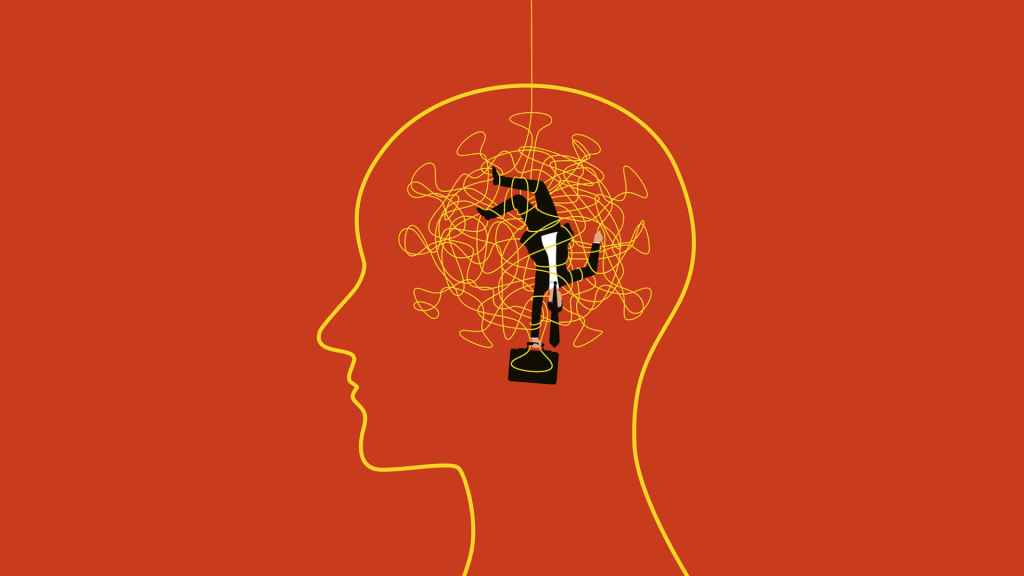
Have you ever stood in front of a large crowd of people to give a speech, sing, or present a major project? Do you recall sweat pouring down your face, a pounding heart, and the sudden urger to vomit your brains out? This (unfortunate) set of feelings is the “fight or flight” response. Believe it or not, it is perfectly normal and mandatory for our bodies to react in this manner! Your anticipation of your stressful X Factor audition caused your body to react in various ways to return to its balanced state.
You may have heard of the nervous system in our bodies. Two commonly discussed parts of the nervous system are the parasympathetic nervous system and sympathetic nervous system. The parasympathetic nervous system is the “rest and digest” system, and the sympathetic nervous system is the “fight or flight” system. These systems activate when we need to restore balance in our bodies. For example, exercise activates the sympathetic nervous system because our muscles need more oxygen. The sympathetic nervous system will make our heart pump faster and direct blood towards our muscles so that they receive the necessary amount of oxygen. In a complementary fashion, the parasympathetic nervous system helps decrease your heart rate once you stop exercising.
Today, we will focus on the sympathetic nervous system—the main system involved in our stress response (both physical and emotional)—and how it can affect heart health. This system affects the heart by increasing blood pressure, heart rate, and blood flow to the muscles [1]. Although I previously mentioned exercise (a physical stress), emotional stress creates the very same response from the body. Your X Factor audition was a temporary stress (because you killed the audition and relaxed afterwards). On the other hand, many individuals experience chronic (constant) emotional stressors which, just like physical stressors, can have dangerous implications when discussing heart health. Some common types of chronic stressors are: family and marriage difficulties, financial problems, job stress, physical or mental illnesses, shift work or nighttime work hours, school stress (especially combined with work and family obligations), care of aging parents (often combined with raising one’s own children), and loneliness [7].
The sympathetic nervous system is a critical link between emotional stress and dangerous outcomes [4]. The heart and the body, just as they react to unexpected or expected temporary stress, will react to chronic stress. When they constantly react and send out responses, certain unusual symptoms may surface: feelings of warmth and cold, palpitations (pounding heart), tachycardia (fast heart rate), nausea, abdominal pain, diarrhea, and constipation [6]. This is your body and heart telling you that your stress has persisted for a prolonged period of time.
Everybody experiences feelings of emotional stress throughout their lifetime. Perhaps you’ve felt momentary sensations such as: “increased heart rate, high blood pressure, abnormal heart rhythms, increased oxygen demand, chest pain, difficulty breathing” [7]. With chronic stress, these feelings persist and can have a life-threatening impact on heart health. Studies show that chronic stressors are linked to the development of hypertension (high blood pressure), cardiovascular disease, and stroke [4].
You may not even realize that you are experiencing chronic stress until the stress has ceased, or you begin to experience some of the symptoms previously mentioned. As such, it is important to be aware of stressors in your life and techniques for stress reduction and prevention. Over the past few decades, multiple research studies found mindfulness meditation to be a helpful way to reduce perceived stress and may be a powerful strategy to alter how we respond to stressful events [2][6]. Mindfulness meditation focuses on maintaining broader attention on subjects such as emotion, breathing, a physical feeling, an image, or an external object [5]. You can perform this from the comfort of your own home. Other suggested techniques include biofeedback (a method to monitor and control the heart and body) and guided imagery (imagining a ‘safe place’) [3].
Furthermore, you can talk about your daily life with family, friends, and coworkers. Such significant figures in your life can offer you the social support you may not even know you need. It is important to have conversations about what you are going through and the feelings you are experiencing. Stress is inevitable, but you have the ability to seek coping mechanisms, prevention strategies, and stress reduction techniques. If you recognize any of the potential causes or symptoms of stress in your own life, take action towards a healthy heart and body!
Author: Mauda Karram
- Alshak, M.N., Das, J.M. (2021) Neuroanatomy, sympathetic nervous system. STATPEARLS.
https://www.ncbi.nlm.nih.gov/books/NBK542195/
- Astin, J.A. (1997) Stress reduction through mindfulness meditation. Karger, 66, 97-106.
https://www.karger.com/Article/Abstract/289116
- Franke, H.A. (2014) Toxic stress: effects, prevention and treatment. APA PsycNet, 1(3), 390-402. https://doi.org/10.3390/children1030390
https://www.mdpi.com/2227-9067/1/3/390/htm
- Hering, D., Lachowska, K., Schlaich, M. (2015) Role of the sympathetic nervous system in stress-mediated cardiovascular disease. Springer Link, 17, 80. https://doi.org/10.1007/s11906-015-0594-5
https://link.springer.com/article/10.1007/s11906-015-0594-5
- Kristeller, J.L. (2007) Mindfulness meditation. Principles and practice of stress management, 393-427.
https://psycnet.apa.org/record/2007-14796-015
- Ziegler, M.G. (2012) Chapter 61 – psychological stress and the autonomic nervous system. Academic Press, 291-293. https://doi.org/10.1016/B978-0-12-386525-0.00061-5
https://www.sciencedirect.com/science/article/pii/B9780123865250000615
- Torpy, J.M., Lynm, C., Glass, R.M. (2007) Chronic stress and the heart. JAMA, 298(14), 1722. doi:10.1001/jama.298.14.1722
https://jamanetwork.com/journals/jama/article-abstract/209139


Leave a Reply